


Introduction to The Fast and the Furious (2001)
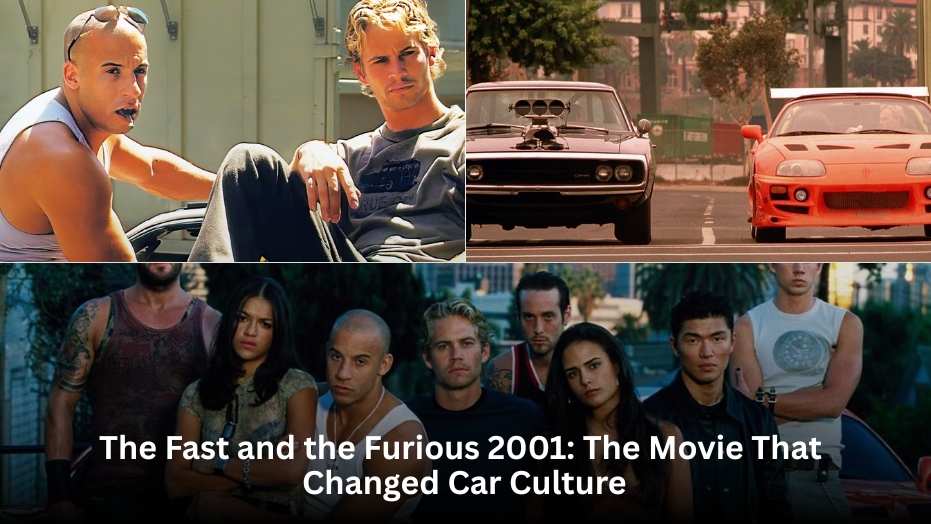
The Fast and the Furious is the film that launched one of the biggest action franchises in Hollywood history. Released in June 2001, the movie combined underground street racing, crime drama, and emotional storytelling in a way that connected strongly with young audiences. Directed by Rob Cohen, the film focused on the street racing culture of Los Angeles and quickly became a pop culture phenomenon.
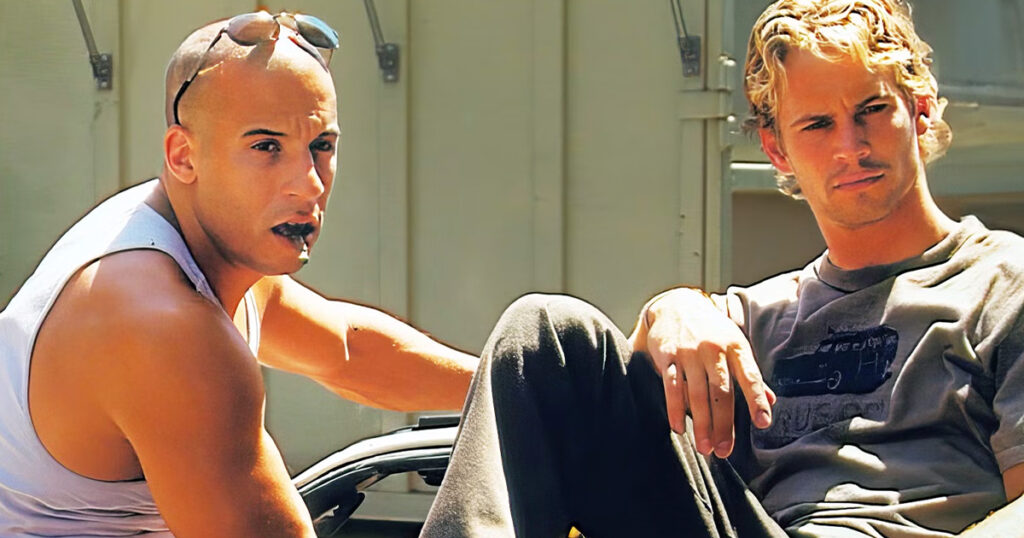
The story follows undercover police officer Brian O’Conner, played by Paul Walker, who infiltrates a street racing crew led by Dominic Toretto, portrayed by Vin Diesel. As Brian gets closer to Dom and his crew, he finds himself torn between duty and loyalty. This emotional conflict gave the film depth beyond just racing scenes.
Movie Budget and Box Office Success
The Fast and the Furious (2001) was made on a relatively modest budget of around $38 million. At the time, it was considered a risky project because street racing movies were not mainstream hits. However, the film exceeded expectations by earning more than $200 million worldwide at the box office. This massive commercial success proved that audiences were hungry for high-speed action and relatable characters.
The strong financial performance encouraged Universal Pictures to expand the story into a long-running franchise. What started as a simple street racing movie later evolved into a global action series featuring heists, international missions, and extreme stunts.
Cast and Performances
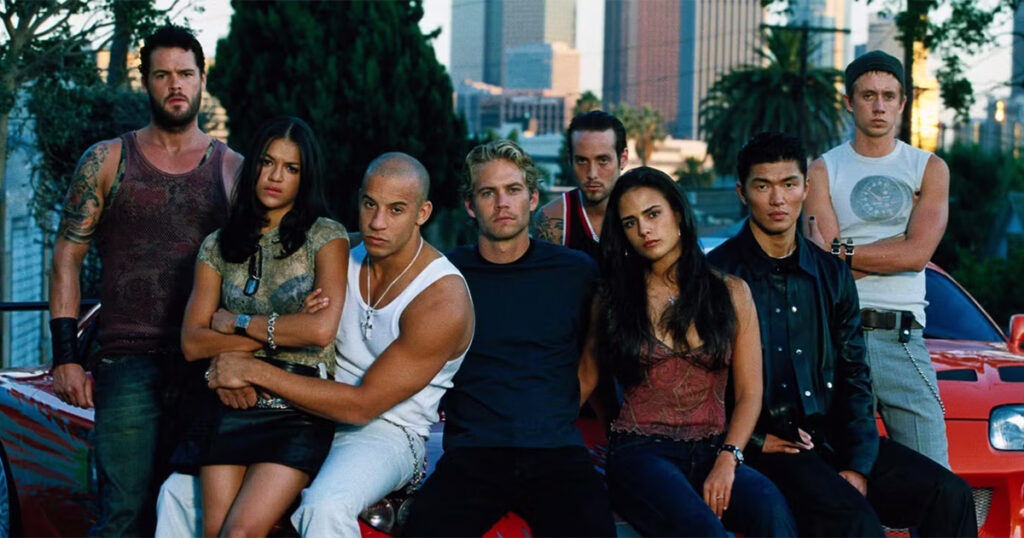
One of the key reasons behind the movie’s success was its strong cast. Paul Walker delivered a charming and emotional performance as Brian O’Conner, bringing sincerity to the undercover cop role. Vin Diesel’s portrayal of Dominic Toretto created one of the most iconic characters in action cinema. His calm yet intense presence made Dom both intimidating and deeply loyal to his “family.”
The film also featured Michelle Rodriguez as Letty Ortiz, Dom’s fearless girlfriend and skilled driver. Jordana Brewster played Mia Toretto, Dom’s sister and Brian’s love interest. Supporting roles by Tyrese Gibson (who joined in later films) and Rick Yune as Johnny Tran added tension and rivalry to the storyline.
The chemistry between the cast members felt natural, which helped audiences connect emotionally with the characters. This connection became the foundation for the franchise’s long-term success.
Iconic Cars That Defined the Film
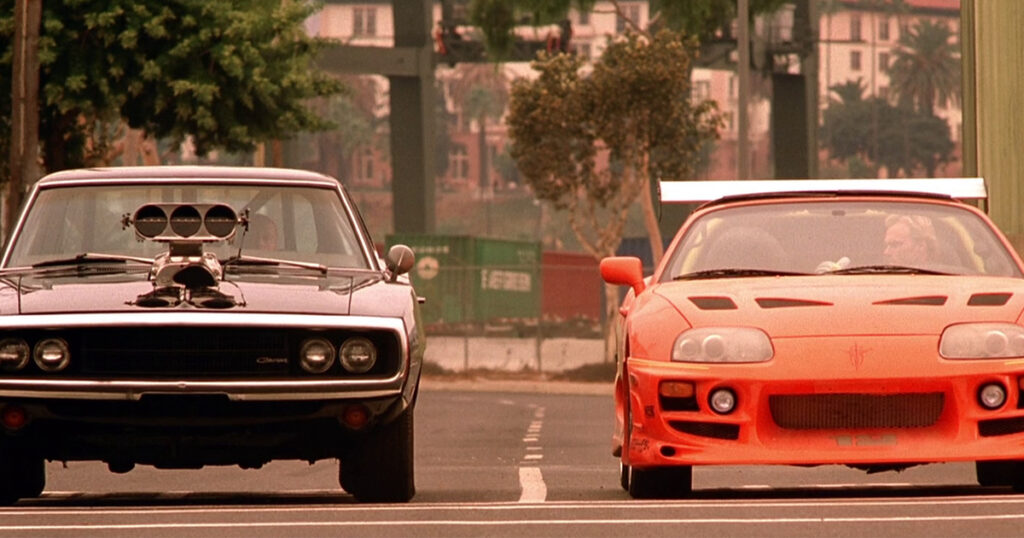
Cars were the real stars of The Fast and the Furious (2001). The movie showcased modified import cars that became legendary among car enthusiasts. Brian’s bright orange 1994 Toyota Supra is one of the most famous movie cars ever. The vehicle’s dramatic final race scene against Dom’s 1970 Dodge Charger R/T remains unforgettable.
Dominic Toretto’s black Dodge Charger symbolized raw American muscle power. The film also featured cars like the Mazda RX-7, Nissan Skyline GT-R, Honda Civics, and Mitsubishi Eclipse. These vehicles represented early 2000s street racing culture and influenced car modification trends around the world.
The racing scenes were shot using practical effects, real cars, and creative camera techniques. Unlike modern CGI-heavy action films, much of the driving felt real and intense, which added authenticity to the experience.
Shooting Locations and Production Details
The Fast and the Furious (2001) was primarily filmed in Los Angeles, California. The city’s industrial areas, highways, and urban streets provided the perfect backdrop for underground racing scenes. Locations such as Echo Park, East Los Angeles, and various warehouse districts were used to capture the gritty atmosphere of street culture.
Some racing sequences were also filmed at Irwindale Speedway to ensure safety during high-speed scenes. The filmmakers worked closely with professional drivers and stunt coordinators to create realistic and thrilling racing moments.
Production focused heavily on car customization. Real tuning garages and automotive experts were involved in modifying vehicles for the film. This attention to detail made the racing world feel authentic rather than fictional.
Cultural Impact and Legacy
When The Fast and the Furious (2001) was released, it became more than just a movie. It influenced fashion, music, and car culture globally. The film introduced mainstream audiences to the world of street racing and import car modifications. Neon lights, body kits, nitrous systems, and loud exhausts became trends inspired by the movie.
The theme of “family” became central to the franchise. Dominic Toretto’s famous line about living life a quarter-mile at a time became iconic. Over the years, the franchise expanded into multiple sequels, spin-offs, and global adventures, but it all started with this 2001 film.
The movie also played a major role in boosting the careers of Paul Walker and Vin Diesel. Paul Walker, in particular, became closely associated with the franchise until his tragic passing in 2013. His legacy remains deeply connected to the Fast & Furious series.
Final Thoughts
The Fast and the Furious (2001) was a simple story about street racing and loyalty, but it sparked a worldwide phenomenon. With a modest budget and a fresh cast, the film surprised Hollywood by becoming a massive success. Its blend of action, emotion, and car culture created a formula that audiences loved.
Even today, more than two decades later, fans still revisit the original movie to experience the raw energy of underground racing. It remains a classic action film that proved how passion, strong characters, and powerful cars can build a lasting legacy in cinema history.









Comments (0)